★★★★★
The set of 3 pans received, beautiful product, as presented.
Verified purchase
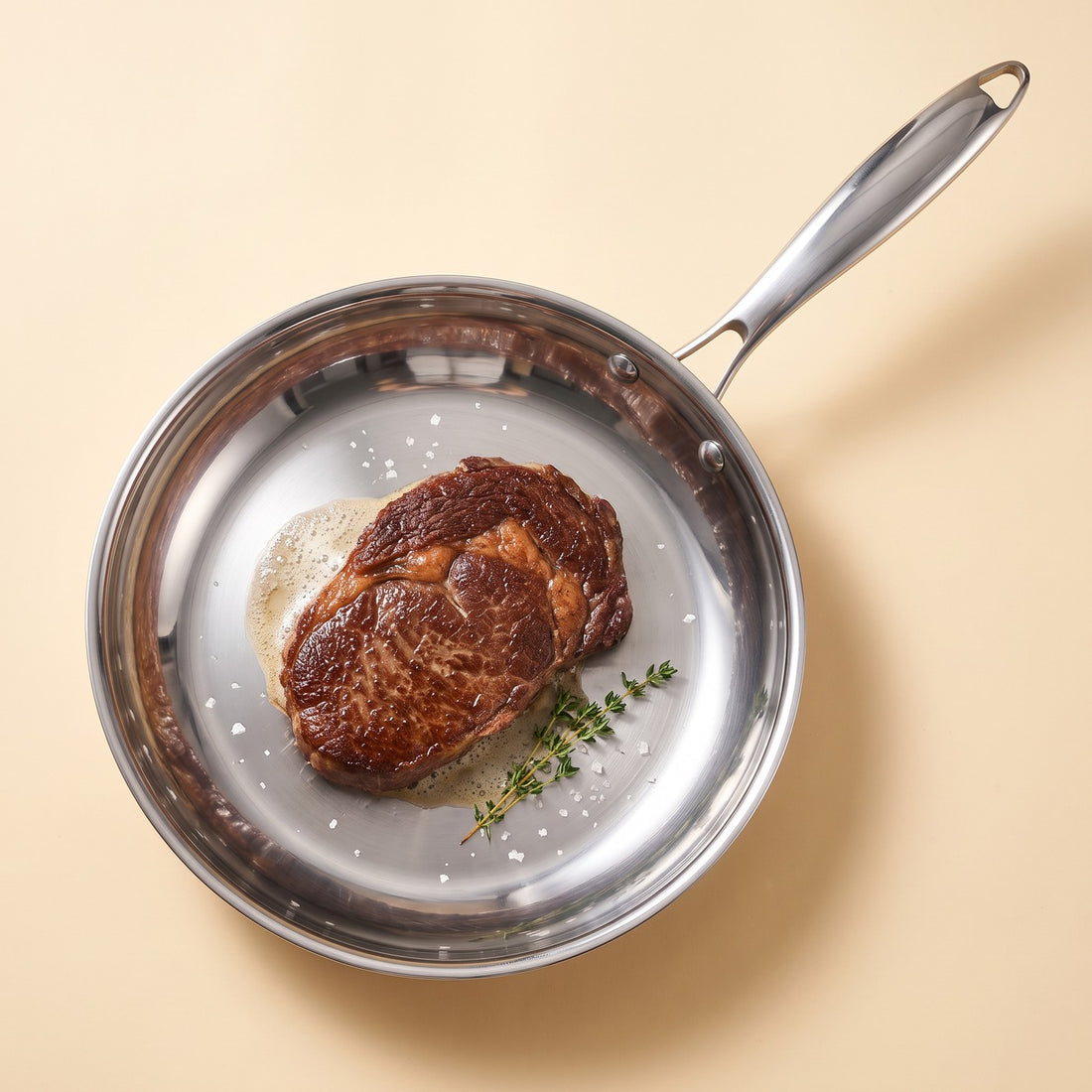
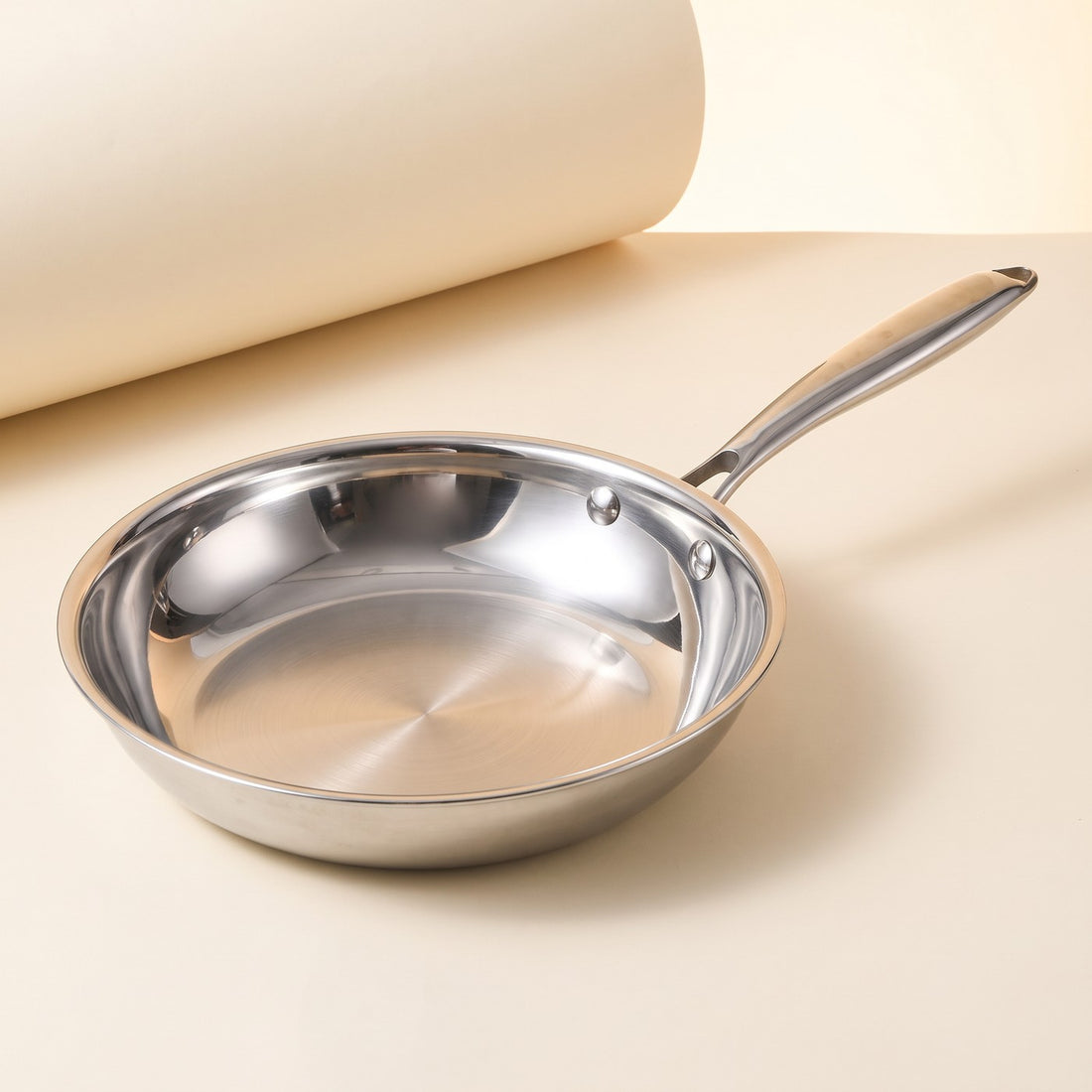
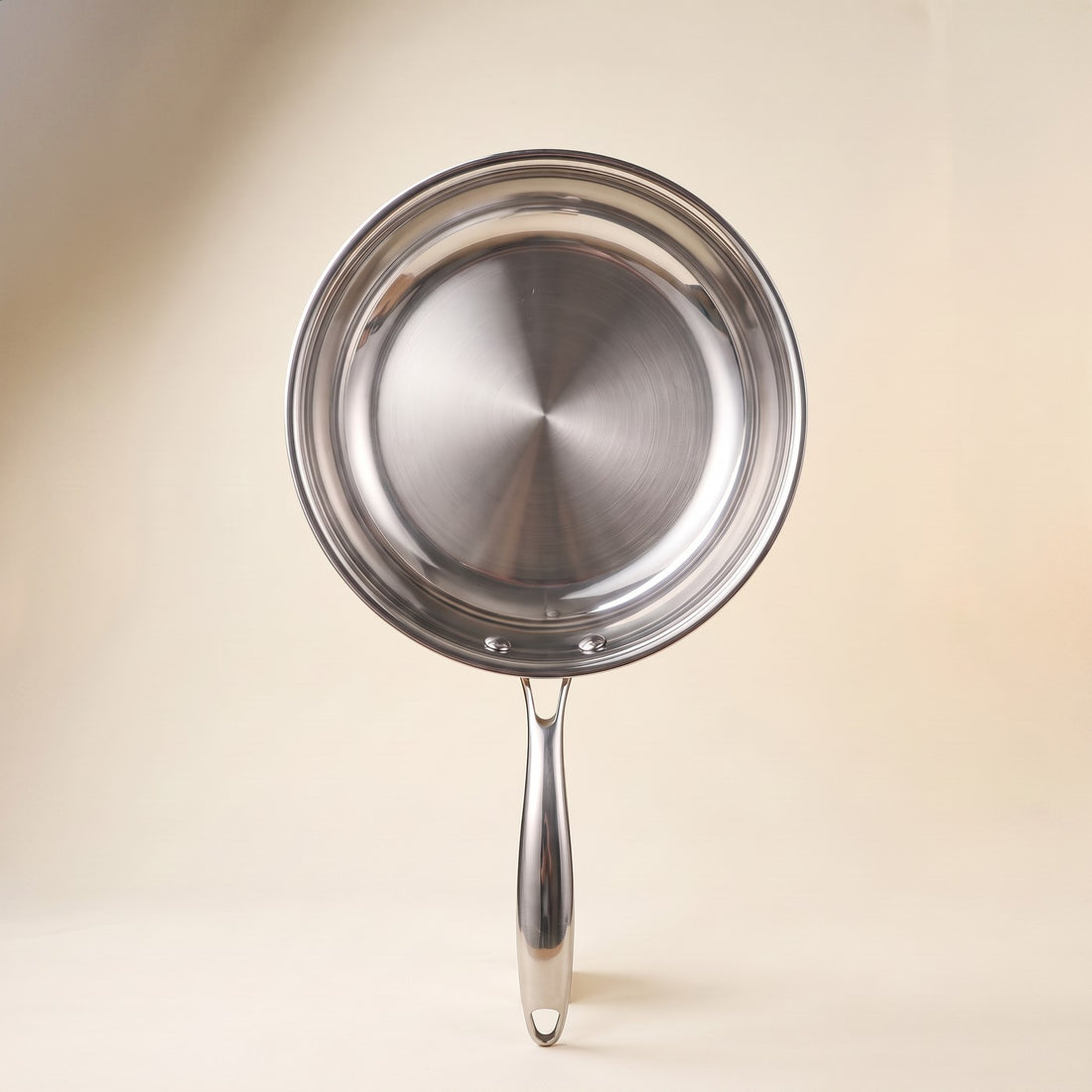
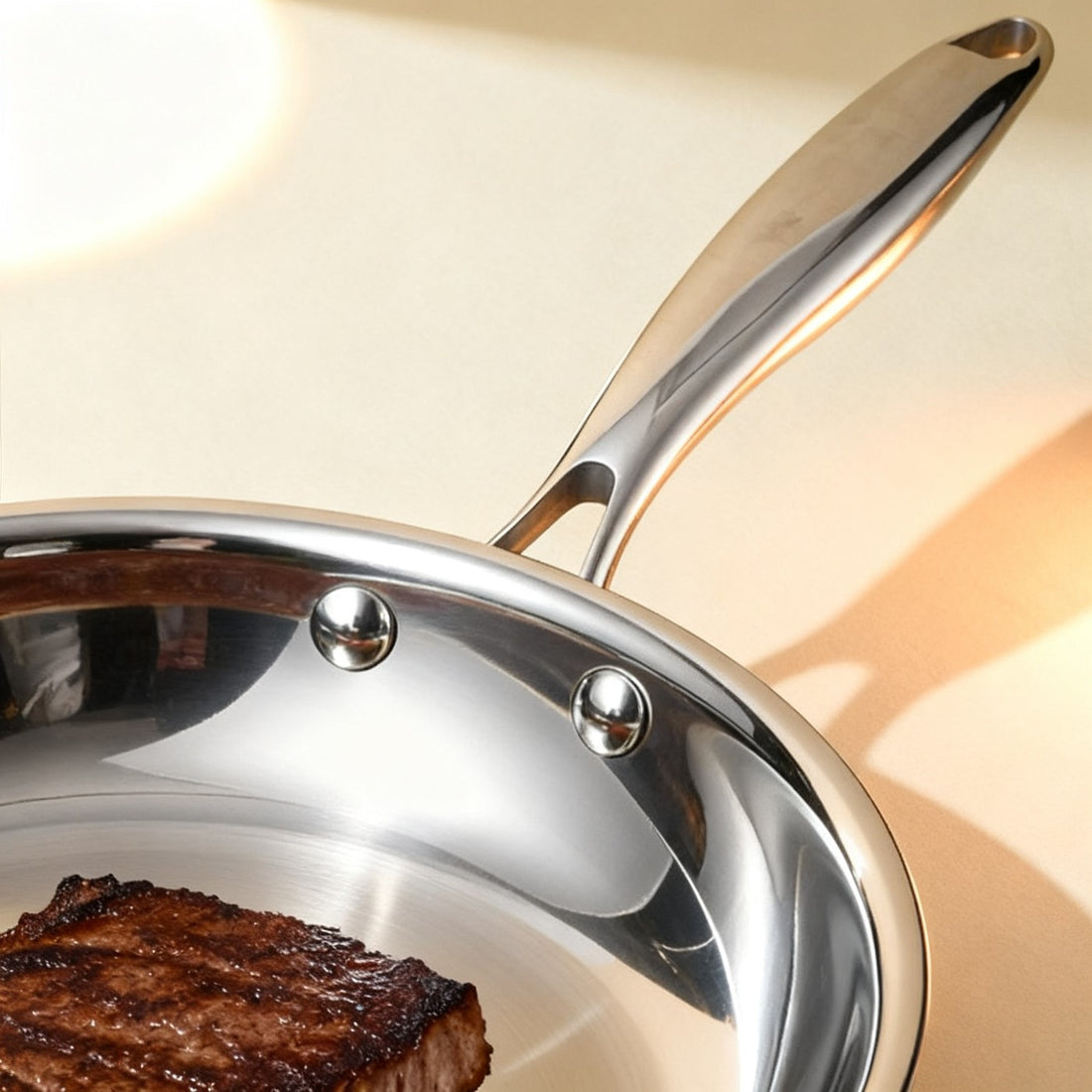
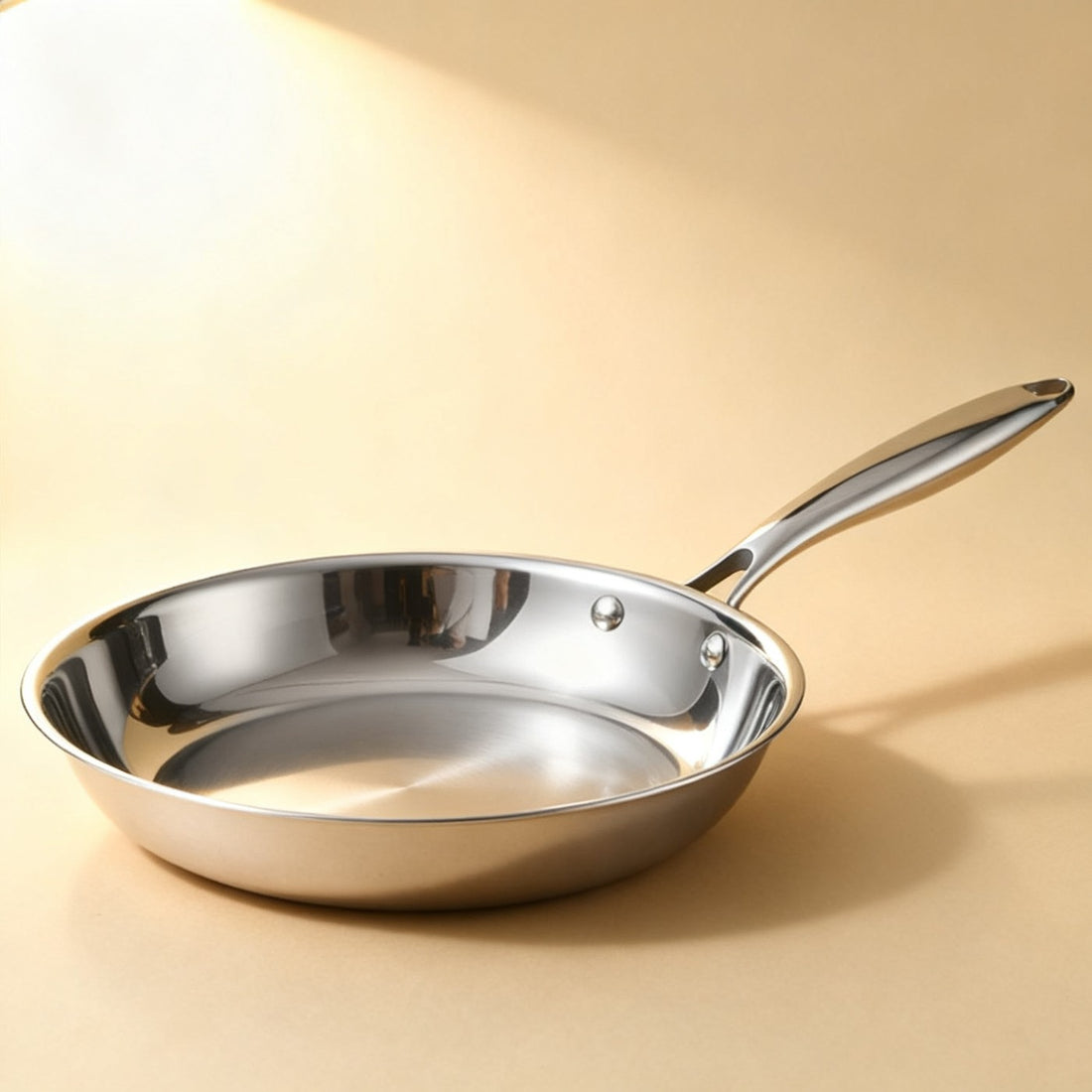
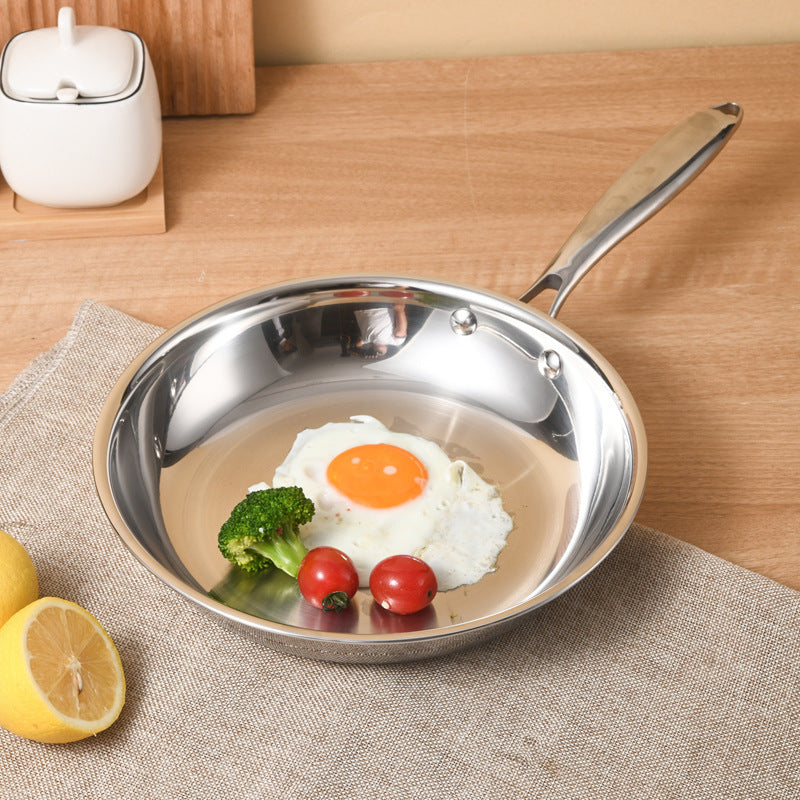
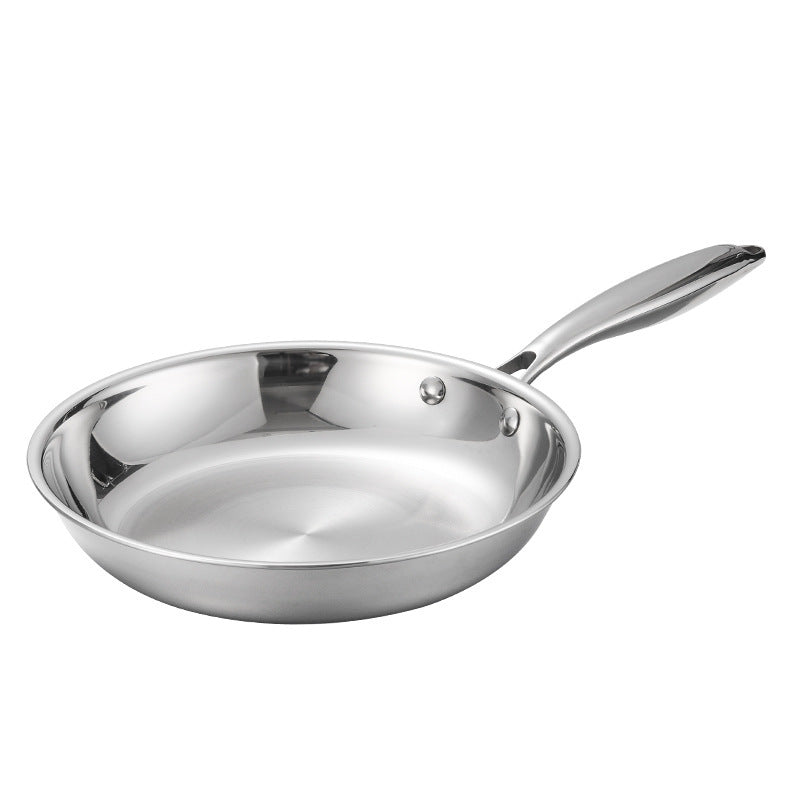

Built for steak. Good for everything else.
1,000+ orders shipped Read the reviewsWhat buyers say
The set of 3 pans received, beautiful product, as presented.
Verified purchaseExcellent quality, I recommend.
Verified purchaseVery high-quality item and very well packaged.
Verified purchaseThese are sooooo good! Although the shipment took a bit long, the products are thumbs up.
Verified purchaseExactly as in the picture, very satisfied.
Verified purchaseI feel more confident in cooking haha.
Verified purchaseExcellent product, completely satisfied.
Verified purchaseThe set of 3 pans received, beautiful product, as presented.
Verified purchaseExcellent quality, I recommend.
Verified purchaseVery high-quality item and very well packaged.
Verified purchaseThese are sooooo good! Although the shipment took a bit long, the products are thumbs up.
Verified purchaseExactly as in the picture, very satisfied.
Verified purchaseI feel more confident in cooking haha.
Verified purchaseExcellent product, completely satisfied.
Verified purchaseA heavy-base 304 stainless pan built to stay hot when cold meat hits it — so you get a deep crust instead of a grey steak. Watch the 8-second test →
No coating. Induction + gas. Hob to oven.
The 24cm is selected — it is the one most people buy. Cooking for one or two, it is the everyday size; the 28cm holds the most heat and gives the best single-steak sear. Rim diameter · 4.3–5.7cm deep · see them to scale
Any combination — the same size twice is fine. All sizes in centimetres.
 High Precision Digital Food Thermometer
With 2 pans
High Precision Digital Food Thermometer
With 2 pans
 Stainless Steel One-Press Food Chopper
With 3 pans
Stainless Steel One-Press Food Chopper
With 3 pans
Stainless isn’t slippery cold. Dry the steak, preheat properly, let the crust form — and it releases on its own. We show you exactly how. See the 6-step method ↓
Ships to  United States · tracked
Order today and it should reach you by
Cooks who moved to stainless


Six moves, about three minutes of technique. Get them right and the pan releases the steak on its own; get them wrong and it sticks. We would rather you knew that now than on day one.


If it sticks and won’t move, it isn’t ready. Wait thirty seconds and it releases itself — that is the whole technique. The long version, with the cleaning →
Two stainless pans. The left one is not hot enough yet; the right one is. That is the entire difference between a grey steak and a crust — and you can see it before the meat goes near the pan.
Left: not hot enough. The water spreads and steams off — a steak would do the same and go grey. Right: ready. It beads and skates. Oil in, then the steak.
A thin coated pan holds almost no heat. Cold meat lands, the surface temperature collapses, and the steak sits there releasing water into a pan too cool to boil it off. So it steams in its own juice and comes out grey.
The coating makes it worse a second way: browning wants real heat, and a coated surface is not built to be pushed there. Even a patient cook is working against the pan.
Fix the pan and the rest is three minutes of not touching it.

Nothing in a light pan stores heat. The first steak crashes it; the second never recovers.
A sprayed-on surface isn’t built for the temperature a crust needs, so the pan is capped below the heat you want.
Non-stick is designed so nothing sticks — including the browned bits a splash of stock turns into a sauce. You cannot deglaze a pan that gave you nothing.
A thin coated pan
Loses the heat the second the steak lands.
The surface drops under the browning threshold, the meat starts releasing water, and you get grey — however good the cut was.This pan
Has enough stored heat to not care.
A heavy three-layer base holds its temperature through the shock of cold meat, so the browning never stops running.Two jobs, two materials. The base is the heavy part and it stores heat. The surface is bare 304 stainless: it grips the meat while a crust forms, then lets go.

Non-reactive, nothing sprayed on it, so nothing to flake off it. Wine, tomato and lemon in the pan sauce are all fine.
The layers are in the BASE, which is where the heat has to live. Sits flat and stays flat on gas.
Steel all the way through, riveted to the body, hanging hole at the end. Nothing that softens, so the pan goes into the oven with the steak still in it.
1.2kg at 24cm, 1.5kg at 28cm — nearly all of it base. Stored heat is what a cold steak has to overcome, and here it doesn’t. Sear instead of simmer.
Steak is supposed to stick for the first minute — that grip is the crust forming. Once it has browned it lets go on its own and leaves fond behind. This is where bare stainless has the advantage.
There is no sprayed-on surface here to degrade at searing heat. Get it properly hot, sear, then move the whole pan into the oven to finish a thick cut. Metal tongs, a metal spatula and a scourer are all fine.
The thing that puts most pans on a replacement cycle is a non-stick layer losing its release. There isn’t one here. Steel scratches and picks up heat-tint like steel does — cosmetic, and the tint wipes off with vinegar.
Dry the steak, get the pan hot, lay it down and leave it. Three minutes later you have the thing you have been paying a restaurant for.
Edge-to-edge browning, the smell that goes with it, and a steak that looks like the menu photo.
Splash of stock into the brown bits, scrape, reduce. That is the sauce — and the pan is half-cleaned.
Sear a thick cut, then slide the whole thing into the oven. Every part of this pan is metal — use a cloth on the handle coming out.
Our own footage, silent, nothing added. Tap any clip to watch it full size.
Every review below is unedited. Most of them bought all three sizes at once.
Proper crust for the first time at home. Medium-high, don’t touch it, flip once.
Wes · Tulsa, OKSplash of stock in the brown bits and I have a sauce. My coated pan never gave me that.
Nadia · Providence, RI Hob to oven
Sear two minutes a side, then the whole pan into the oven. Thick ribeye, pink edge to edge.
Curtis · Boise, IDTwo cold steaks in and it didn’t flinch. My old pan would have gone quiet and started steaming.
Camille · Fort Worth, TX Butter baste
Butter, garlic, thyme, tilt and spoon. Restaurant thing, took me one go.
Gene · Asheville, NC28 for the steaks, 20 for the eggs and the pan sauce. Haven’t touched the old pans since.
Simone · Reno, NVIn the order they get asked.
For the first minute or two, yes — and it is meant to. Bare steel grips the meat while the crust forms, then releases it once the surface has browned. If it holds on, it isn’t ready; give it thirty seconds.
That is the honest trade against non-stick and we won’t pretend it away: a coated pan releases food from cold and this one does not. What you get for it is the crust and the fond.
Short answer: for a minute — then it lets goDry steak into a properly hot pan, oil first, don’t touch it, flip once when it lets go, then deglaze. The six steps in pictures ↑
Cleaning: hot water and a sponge while it’s warm; anything stuck lifts with a splash of water brought to a simmer. Scourers are allowed. Rainbow heat-tint is normal and wipes off with vinegar.
The base is a three-layer bonded slab and it is the heavy part of the pan — 1.2kg at 24cm, 1.5kg at 28cm. That mass is what stores heat, so a cold steak doesn’t crash the temperature.
Being precise: the layers are in the BASE. The wall above is single-layer 304 stainless, light enough to tilt and baste one-handed. It is not a full-body tri-ply pan and we won’t call it one.
Short answer: 1.2–1.5kg, nearly all of it baseYes — the 24cm is the one for it. Same rule, one notch cooler: empty pan on medium until a drop of water beads and skates, then oil, then the eggs. Preheated like that they slide out in one piece. Cracked into a cold stainless pan they weld to it — which is where this kind of pan got its reputation.
If eggs are most of what you cook, our titanium pan is the easier one and we would rather point you at it than sell you the wrong pan.
Short answer: yes — the 24cm, properly preheatedEmail us within thirty days with your order number. Once the pan is back with us we refund the full product price — you cover the return postage. Wrong size rather than wrong pan? Say so and we’ll swap it.
One practical note: cook on it in the first week. Almost everyone who decides stainless isn’t for them decided it on the first attempt, with a wet steak in a pan that wasn’t hot yet.
Short answer: 30 days, full refund| Nostra steak pan | Nostra titanium | Coated non-stick | Cast iron | |
|---|---|---|---|---|
| Coating that can flake | None | None | Yes | Seasoning can chip |
| Crust and pan sauce | Yes — the point | Crust yes, less fond | No | Yes |
| Holds heat when cold meat lands | Yes — heavy base | Yes | No — thin | Yes |
| Easiest on day one | Preheat + oil, then it releases | After a 3-minute preheat | Yes — slippery from cold | No |
| Metal tongs and spatula | Yes | Yes | No | Yes |
| Works on induction | Yes | Yes | Usually | Yes |
| Weight | 1.2kg at 24cm | About 1kg at 26cm | Light | 2.5–3kg |
| Coating to replace | None | None | Yes | None |
| If you don’t get on with it | 30 days, money back | 30 days, money back | Varies | Varies |
Scroll the table sideways to see every column →
Row four is a real loss and we are leaving it in: a coated pan releases food from cold and this one does not until it is hot. What you get for that is every other row.
Same pan, three diameters. A crowded pan steams instead of searing, so the only decision is how many go in at once — and the 28cm holds the most heat, so it is also the best single-steak sear.
Sear on it, baste in it, deglaze it. A pan you can’t test is a pan you can’t judge. If it hasn’t earned its spot on your stove after thirty days, email us with your order number: full product refund once it’s back with us, and you cover the return postage. Wrong size? We’ll swap it.
Dry steak, hot pan, don’t touch it. Give it a week before you decide anything.
Start the week it lands. Long enough for the preheat to become a habit.
Order number, one line about what didn’t work. Refund in full once it’s back, or a swap for another size.
Thirty days is for deciding whether you want the pan. The year after is for the pan itself: if a rivet works loose or the base separates, we replace it — order number, a line on what happened, a photo. Faults only, not accidents or the ordinary marks a steel pan picks up.
Bare stainless is a specialist, not an all-rounder. Four honest reasons this is the wrong pan for you:
Two pans is where the discount starts, and where most people land.
High Precision Digital Food Thermometer
With 2 pans
Stainless Steel One-Press Food Chopper
With 3 pans
30-day money-back · change your size ↑
1 pan · 24cm

The titanium pan is the easier one for eggs and everyday cooking — same no-coating argument, hammered surface, from $79.95.
See the titanium pan →
A double-sided 304 stainless board with a sharpener in the frame — the same steel this pan is built from, and non-porous, so nothing lives in it.
See the board →Induction, gas, electric and ceramic. The multi-layer base is what makes induction work. The whole pan is metal — no plastic, no coating, riveted steel handle — so it goes from hob to oven; use a cloth on the handle when it comes out.
Hot water and a sponge while it’s still warm; anything stuck lifts with a splash of water brought to a simmer. Scourers and metal tools are fine — there is no coating to protect.
The blue-gold tint after a hard sear is heat-tint, not damage — a wipe with vinegar takes it off. Dishwasher-tolerant; hand washing keeps the polish.
No. Both are uncoated and both want a three-minute preheat, but the titanium pan has a hammered surface that releases food more readily — the easier one for eggs. This one has the heavier base and the bare, grippy steel, which is what gives you a crust and a fond.
If you cook steak, this one. If you mostly cook eggs, that one.
One year against manufacturing defects from the day it arrives. If a rivet works loose or the base separates we replace it — order number, a line on what happened, a photo.
Not accidents, misuse or ordinary wear. Scratches and heat-tint are cosmetic: there is no coating here to fail, so they don’t change how the pan cooks.
A single pan ships for a flat fee (shown under the price for your country); any set of two or more ships free, tracked. We pack in one to three business days and it typically arrives six to ten days after that.